.svg)
.svg)


Dental Crowns: What to Expect Before and After Your Crown Appointment
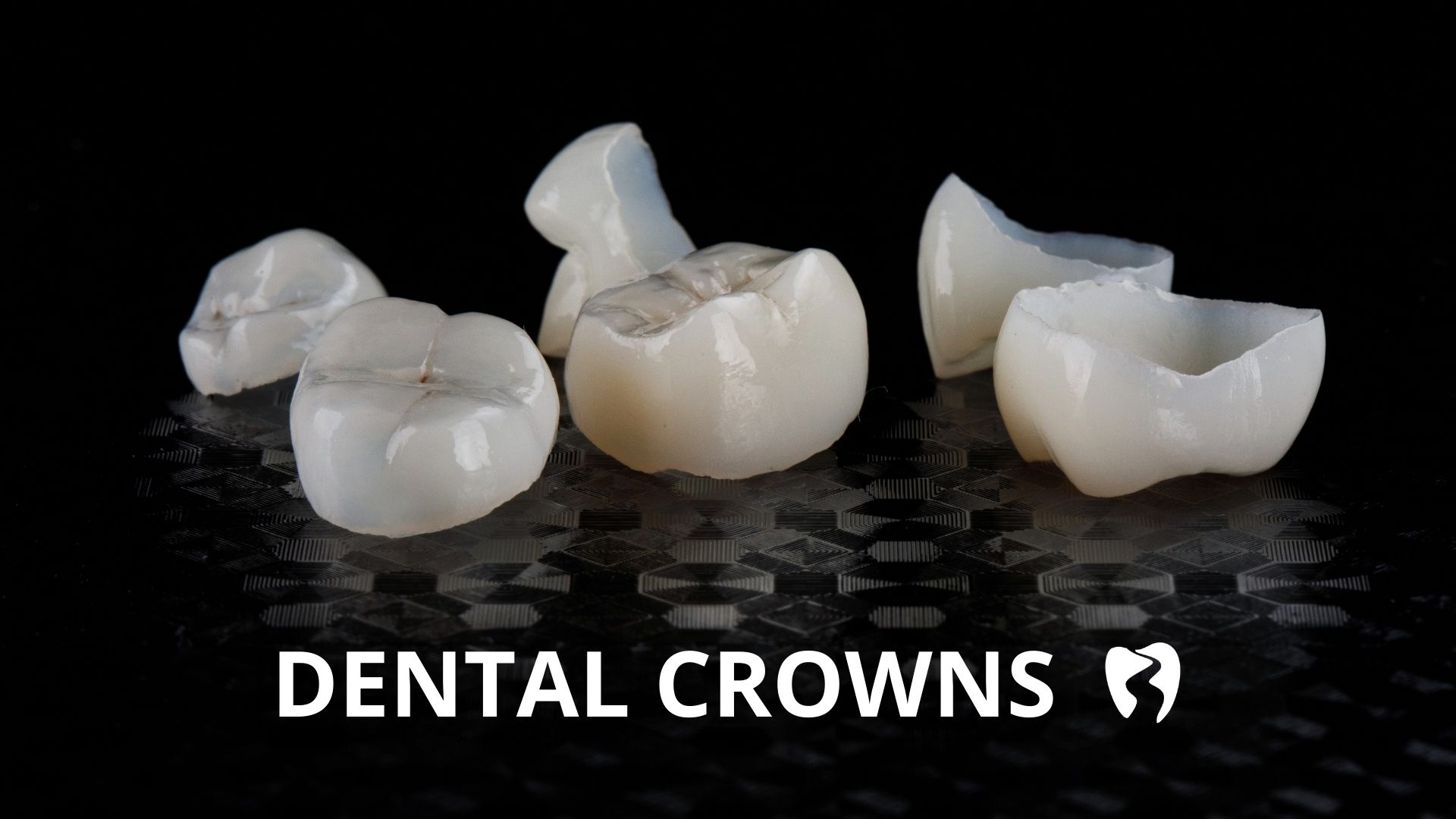
A dental crown is a reliable and commonly used solution to restore the strength, function, and appearance of a tooth that has been damaged by decay, fracture, or wear. At Bow River Dental Centre Cochrane, we believe patients feel more confident and recover more comfortably when they understand what’s happening at each stage of their treatment.
This guide explains the dental crown process from start to finish, including what to expect after your crown preparation appointment and how to care for your tooth once your permanent crown is placed.
What Is a Dental Crown?
A dental crown is a custom-made restoration that fully covers a tooth, restoring its shape, strength, and function. Crowns are often recommended when a tooth is too damaged to support a filling but still healthy enough to be preserved. They can protect weakened teeth, restore cracked or broken teeth, support teeth with large fillings, or improve the appearance of discoloured or misshapen teeth.
Dental crowns are designed to look and function like natural teeth. Once placed, they allow you to chew comfortably and maintain normal oral hygiene, while protecting the underlying tooth structure.
The Dental Crown Process: What Happens First
Getting a dental crown typically involves two appointments. The first appointment is the crown preparation, during which the tooth is reshaped to make room for the crown. Impressions are taken so the permanent crown can be custom-fabricated, and a temporary crown is placed to protect the tooth in the meantime.
Local anesthetic is used during this appointment to keep you comfortable. Afterward, it’s normal to experience temporary numbness, mild soreness, or sensitivity as your mouth adjusts.
What to Expect After Your Crown Preparation Appointment
After your crown preparation, numbness in the lips, tongue, or palate may last several hours. Until sensation fully returns, it’s important to avoid chewing food, drinking hot liquids, or smoking. This helps prevent accidental biting or burns while the anesthetic is still active.
Some soreness may develop around the treated tooth, the surrounding gum tissue, the injection sites, or even the jaw joint. This discomfort is usually mild and temporary. Applying moist heat to the area can help relieve jaw or muscle soreness, and over-the-counter pain relief such as ibuprofen may be used if appropriate for you.
A temporary crown is placed to protect your tooth while the permanent crown is being made. Temporary crowns are thinner and not as strong as permanent restorations, so some sensitivity to temperature is normal during this phase. You may notice the tooth is more sensitive to hot or cold foods and drinks, but this typically improves once the final crown is placed.
Caring for a Temporary Crown
While wearing a temporary crown, it’s important to be mindful of what and how you eat. Sticky or crunchy foods can loosen or fracture the temporary crown and should be avoided. Try chewing on the opposite side of your mouth when possible and choose softer foods until your permanent crown is placed.
Daily oral hygiene is still essential. You should continue brushing your teeth, including the temporary crown, as usual. When flossing, gently slide the floss out sideways rather than lifting it straight up, as pulling upward can dislodge the temporary crown.
If your bite feels uneven or “high” on the temporary crown, contact Bow River Dental Centre Cochrane. A bite that isn’t properly adjusted can lead to soreness or a toothache if left uncorrected.
If the temporary crown becomes loose or comes off entirely, it’s important to contact the clinic so it can be re-cemented.
Placing the Permanent Dental Crown
Once your permanent dental crown is ready, you’ll return to the clinic for the final appointment. The temporary crown is removed, and the permanent crown is carefully fitted, adjusted, and cemented into place.
After the crown is placed, it’s normal to notice small pieces of bonding material around the crown. These often come off with brushing. If anything feels sharp or uncomfortable, the dental team can quickly smooth or adjust it for you.
Numbness may persist for several hours after the appointment, depending on the anesthetic used. It’s best to wait until numbness has completely worn off before eating to avoid accidental injury. Once sensation returns, avoid chewing hard or sticky foods for the first 24 hours to allow the cement to fully set.
Managing Sensitivity and Discomfort After Crown Placement
Mild sensitivity to temperature, sweets, or pressure is common after a dental crown is placed. This sensitivity usually settles within a few days as the tooth adapts. Some patients find it helpful to take over-the-counter pain relief before the anesthetic fully wears off to stay ahead of any discomfort.
If your gums feel sore or irritated, rinsing with warm salt water can provide relief and support healing. A simple rinse made with warm water and salt can be used several times a day as needed.
Long-Term Care for Your Dental Crown
Caring for a dental crown is much like caring for a natural tooth. Brushing twice daily, flossing once a day, and attending regular dental checkups and cleanings are key to maintaining the health of both the crown and the surrounding tooth and gum tissue.
Dental crowns are durable, but they’re not indestructible. Avoid using your teeth to open packaging or chew very hard objects like ice. With proper care, a dental crown can last many years and continue to function comfortably as part of your smile.
When to Contact Bow River Dental Centre Cochrane
While most patients recover smoothly after crown treatment, there are certain symptoms that should be evaluated. Contact the clinic if your bite feels uneven, if sensitivity persists beyond 10 to 14 days, or if you experience spontaneous or pulsating pain, especially if it wakes you at night. Swelling, pus, or signs of infection should also be addressed promptly.
At Bow River Dental Centre Cochrane, our team is always happy to answer questions or make small adjustments to ensure your comfort. Dental crown treatment is an investment in your oral health, and proper aftercare plays an important role in its long-term success.
If you have questions about dental crowns or are preparing for an upcoming appointment, don’t hesitate to reach out to our team. We’re here to support you every step of the way.


.svg)
.avif)


.png)
